

Naples
Naples Driveway Paver Patterns: From Herringbone to Running Bond
Choosing the right paver pattern for your Naples driveway affects both aesthetics and durability. Discover which patterns work best.
By Rafael Aguilar Jr.5 min read
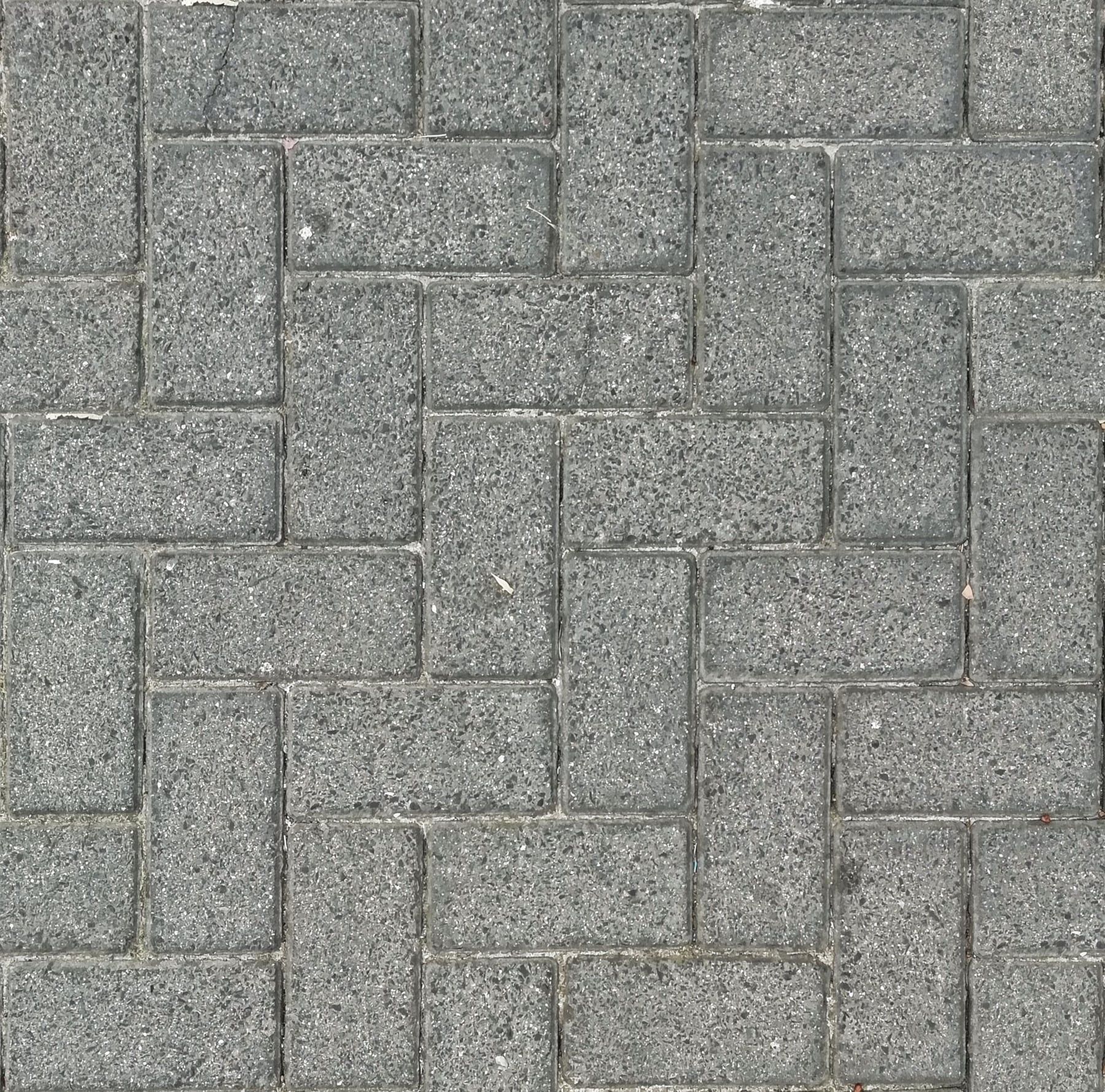
Choosing the Perfect Paver Pattern for Your Naples Driveway
The pattern you choose for your Naples driveway isn’t just about aesthetics—it affects structural integrity, installation cost, and how well the pavers interlock under vehicle traffic. Let’s explore the most popular options for Naples homes.
Herringbone Pattern
The herringbone pattern is the gold standard for driveways. The 45- or 90-degree interlocking design creates exceptional strength and prevents pavers from shifting under vehicle weight.
- Best for: Driveways with regular vehicle traffic
- Pros: Maximum interlock, prevents shifting, classic appearance
- Cons: More cutting required, higher labor cost
- Naples homes: Perfect for Mediterranean and coastal architecture
Running Bond (Brick Pattern)
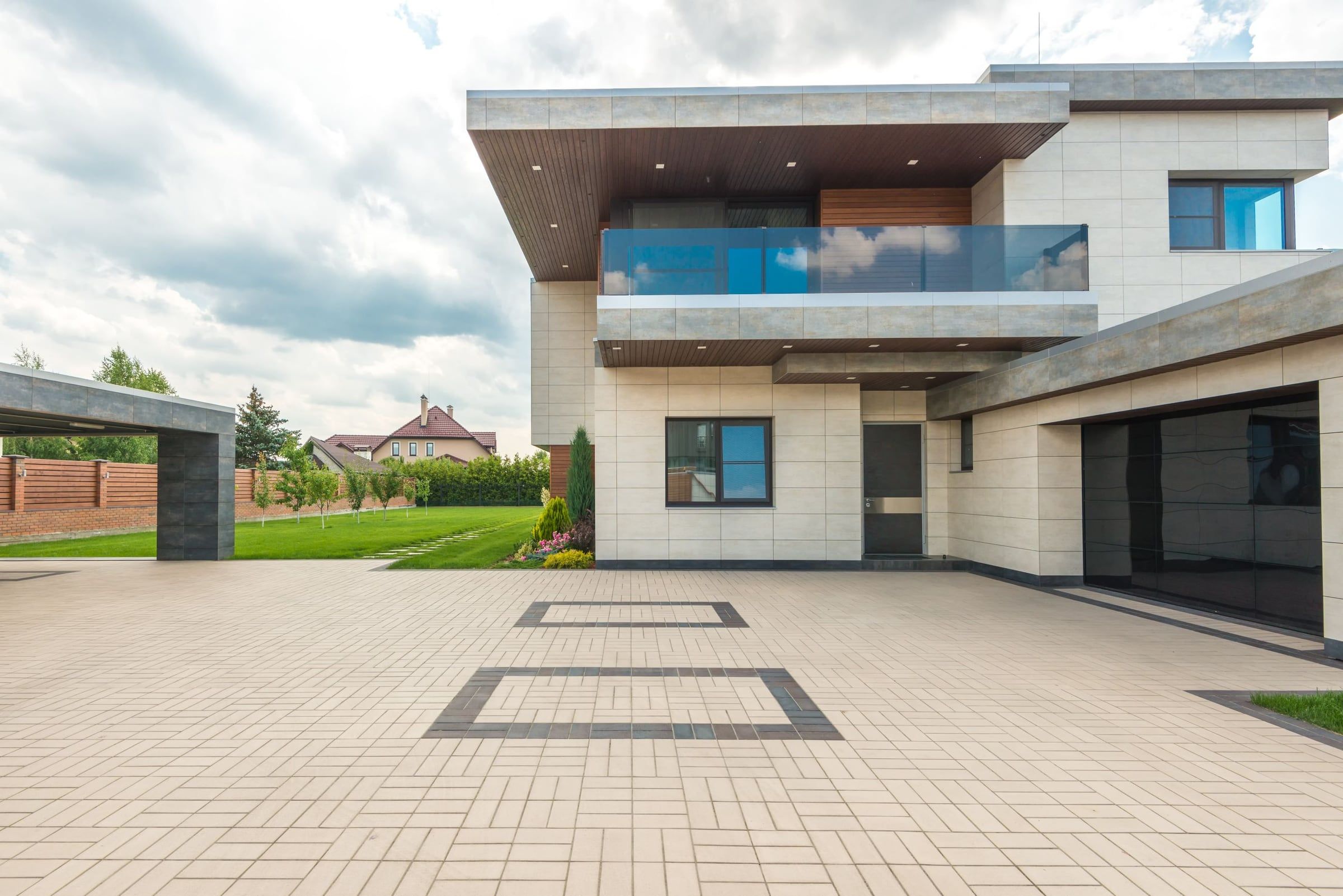
Running bond is a timeless pattern where each row is offset by half a paver. It's elegant and works well for walkways and lighter-traffic driveways.
- Best for: Walkways, patios, low-traffic areas
- Pros: Classic look, less cutting, faster installation
- Cons: Less interlock than herringbone
- Naples homes: Complements traditional Florida architecture
Basketweave
Basketweave creates a woven appearance using pairs of pavers that alternate direction. It's decorative but provides less structural interlock.
Random/Ashlar Pattern
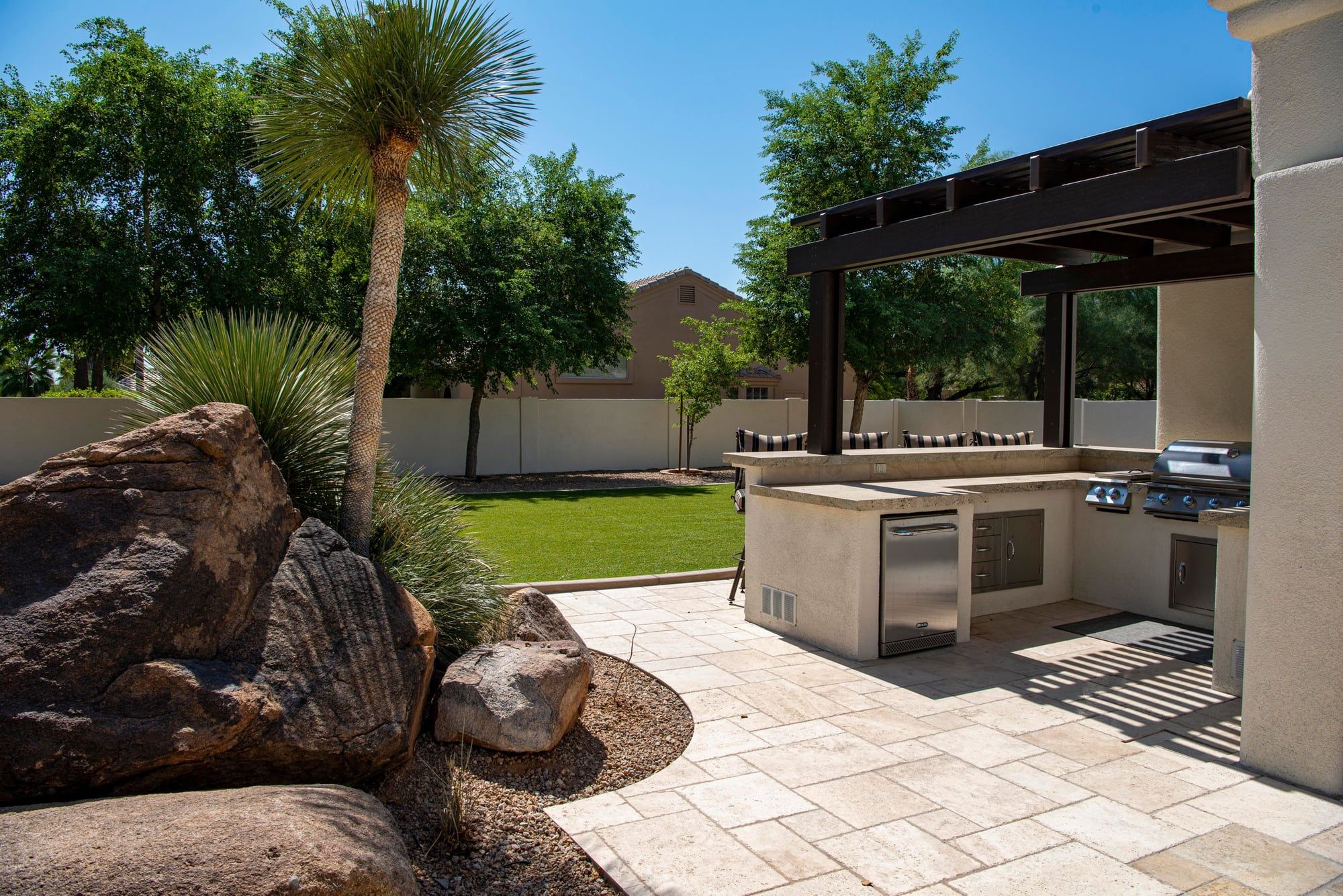
Using multiple paver sizes in a random pattern creates a natural stone appearance. This is increasingly popular in Naples for its organic, upscale look.
Matching Your Naples Home
Consider your home's architecture when choosing patterns:
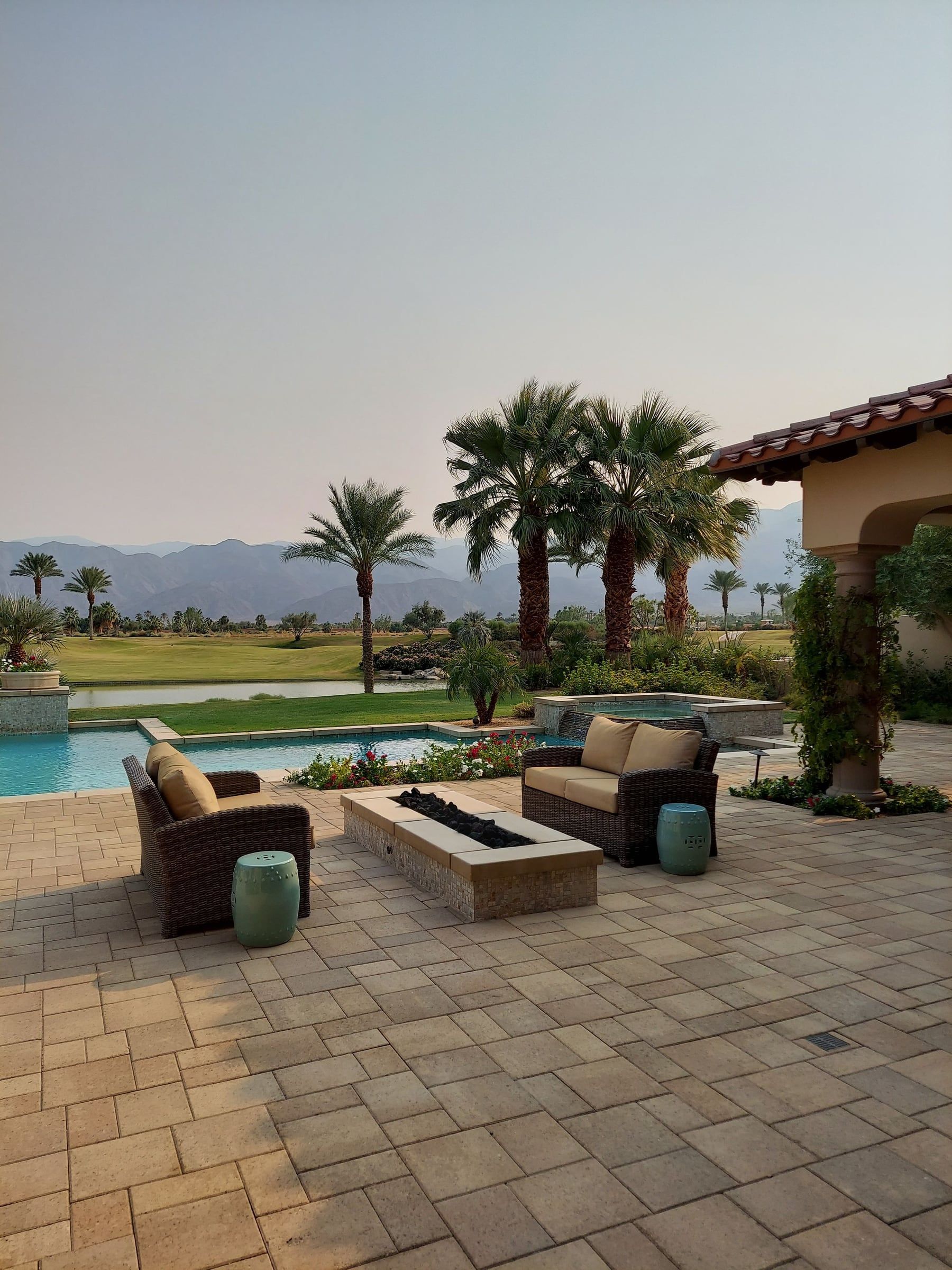
- Mediterranean/Spanish: Herringbone with warm earth tones
- Contemporary: Large-format pavers in running bond
- Coastal/Beach: Random patterns in sandy neutral colors
- Traditional: Classic herringbone in gray or charcoal
Want to see these patterns in person? Visit our design center to compare samples before you decide.